
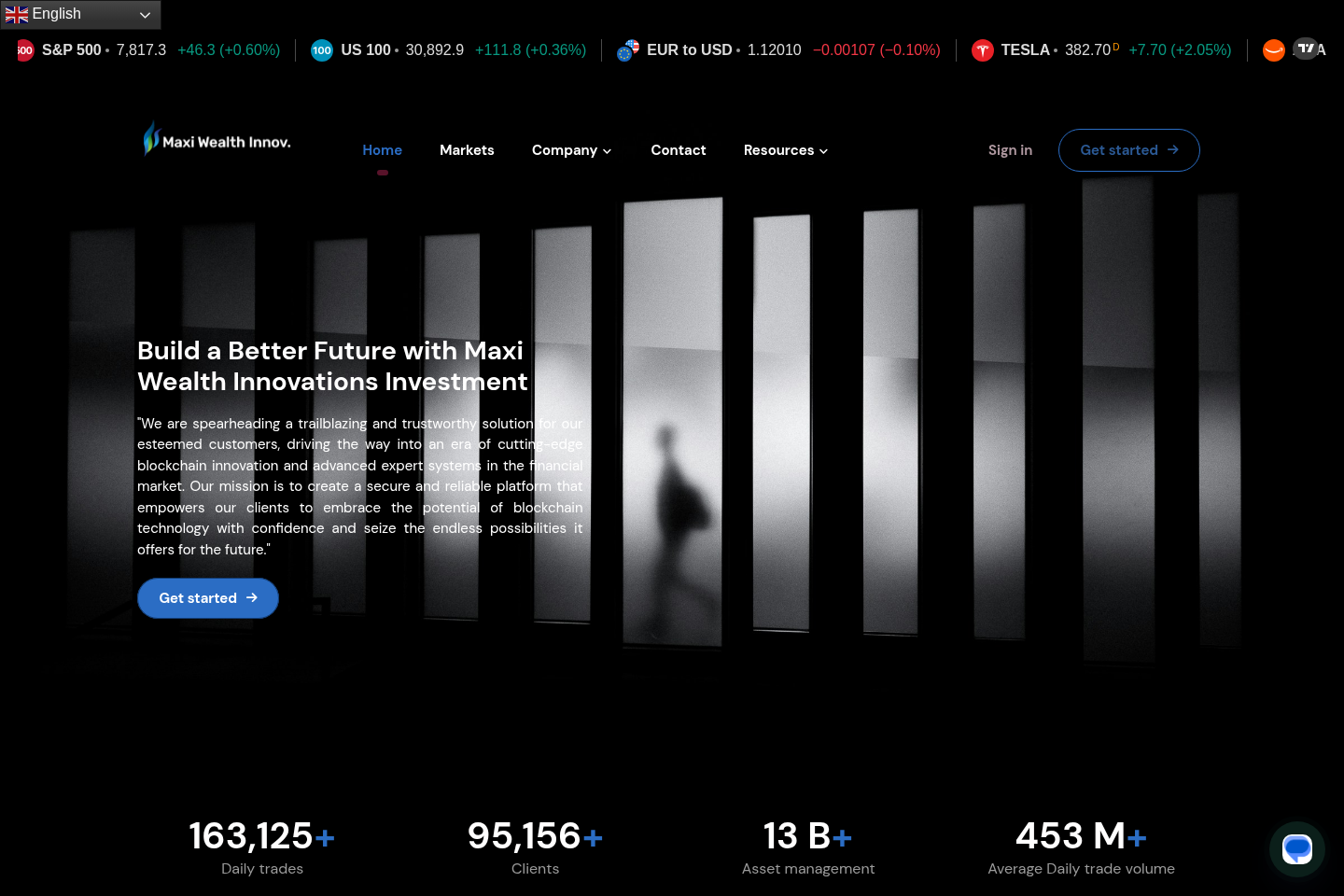
Maxi-Wealth: the regulatory record changes the risk calculation
Maxi-Wealth presents the sort of question where a quick visual judgement is especially unhelpful. Investment sites are designed to make an offer feel straightforward. The meaningful test is whether a named company is permitted to make that offer and can be held accountable if something goes wrong.
The Belgian FSMA has listed maxi-wealth.org among companies operating unlawfully. Its notice says the party is not registered or authorised to provide investment services in or from Belgium, describes the activity as appearing to involve investment fraud, and notes that the matter was passed to judicial authorities. That is a serious, specific warning—not an inference drawn from a young domain or an anonymous review.
It also explains why I would not try to "test" the platform with a small deposit. A small first withdrawal, an attractive dashboard balance, or an energetic relationship manager does not resolve the authorisation problem. They are not a replacement for a legal entity that can be found on an official register and a genuine client-money arrangement that applies to your contract.
If you are evaluating any alternative provider, obtain the contract name before you sign up. Search that exact name in the relevant national regulator's register, compare the domain shown there with the domain you were given, and call a published regulator contact if there is any mismatch. Do not rely on a link supplied by the salesperson.
My view is that Maxi-Wealth is not a platform to fund while this warning remains in place. Anyone who has already transferred money should keep the payment trail and all correspondence, contact their bank or card issuer promptly about possible recovery options, and be cautious of a second approach promising recovery for an advance fee.